

Ending It: A Conversation We Can’t Ignore
Audio Version
Talking about suicide is never easy. The word itself can bring fear, sadness, and anxiety, for the person experiencing these thoughts and for the loved ones supporting them. Many people avoid it, hoping silence will protect them or those they care about. But avoiding the conversation often leaves people feeling alone with pain that already feels too heavy to carry.
The truth is this, by the time someone expresses suicidal thoughts, they’ve often been struggling quietly for a long time.
It’s not an overnight decision, it’s a build-up of depression, trauma, stress, and untreated mental health concerns. And acknowledging it directly can save lives.
For more on how common and complex suicidal thoughts can be, the National Institute of Mental Health provides helpful information and support.
Drop the Whispering: Talk About It
Tiptoeing around the topic doesn’t help anyone. When someone shares their struggles, it’s not attention-seeking, it’s vulnerability, courage, and a plea for connection.
The most supportive thing we can do—whether we’re family, friends, or community members, is talk openly, calmly, and with care.
Silence or minimization can unintentionally reinforce feelings of isolation or shame. Honest, compassionate conversation, on the other hand, provides hope, clarity, and a sense of safety.
Break Through Stigma
Even as mental health awareness improves, stigma still persists. People often feel:
- “I don’t want to burden anyone.”
- “Others have it worse.”
- “Therapy should go to someone else.”
We want you to know this, your feelings matter, your pain matters. You are not a burden. Reaching out is not selfish.
Supporting someone else doesn’t require perfect words. Being present, listening, and taking their thoughts seriously is often enough to make a difference.
If you ever feel someone may be in immediate danger, the CDC lists warning signs and crisis guidance as support.
Support is Here, Carolina Counseling Services Pittsboro NC
At Carolina Counseling Services in Pittsboro, we create a safe, compassionate space to talk about suicidal thoughts and emotional pain. Whether you’re struggling yourself or supporting someone you care about, you don’t have to navigate this alone.
Clients from Carrboro, Goldston, and surrounding areas come to us because they need grounded, compassionate support that meets them where they are, not where they “should be.”
We’re able to see clients covered by Aetna, Aetna State Health Plan, Blue Cross Blue Shield of NC, Tricare, and several Medicaid options, Alliance, Carolina Complete Health, WellCare, Healthy Blue, and UnitedHealthcare.
We walk alongside clients through the tough moments, helping them reconnect with hope, stability, and a sense of control over their life again.
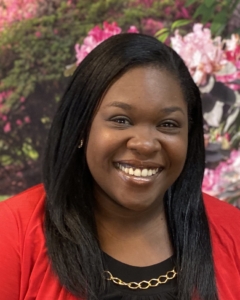
Ebone L. Rocker, LCMHCS, is one of the Owners and Vice Presidents of Carolina Counseling Services. She is a Licensed Clinical Mental Health Counselor Supervisor in the State of North Carolina.